Login concept for neurodiverse people
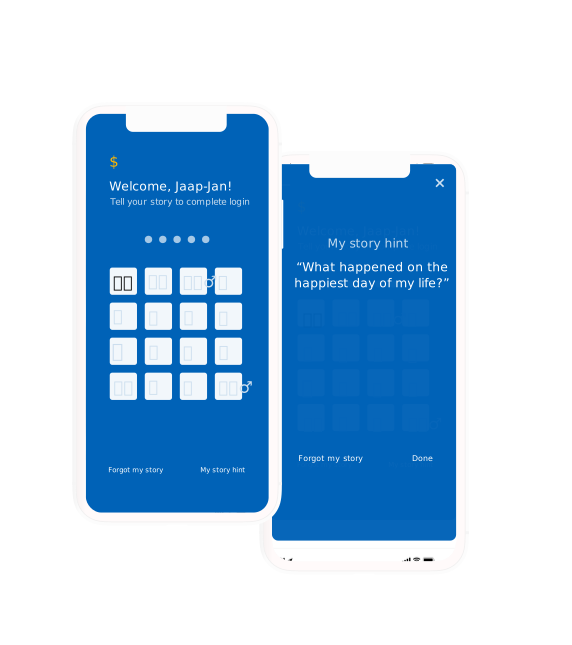
Emoji story — concept for login flow
Client: Personal project
Date: October 2018
Role: UX/UI design, presentation
Outcome: Designer secured the job
Overview
A design assignment exploring an original and secure login flow for a mobile banking app — one that stands out from existing solutions and prioritises accessibility for neurodiverse users.
Challenge
Design a login flow for a mobile banking app that is simultaneously original, secure, and accessible — particularly for users who struggle with traditional alphanumeric passwords.
Solution
Email address + emoji-story passcode — a sequence of 5 or more emojis representing either a personal narrative or a set of ranked preferences.
Rather than remembering an arbitrary string of characters, users compose a story they already know.
Target Users
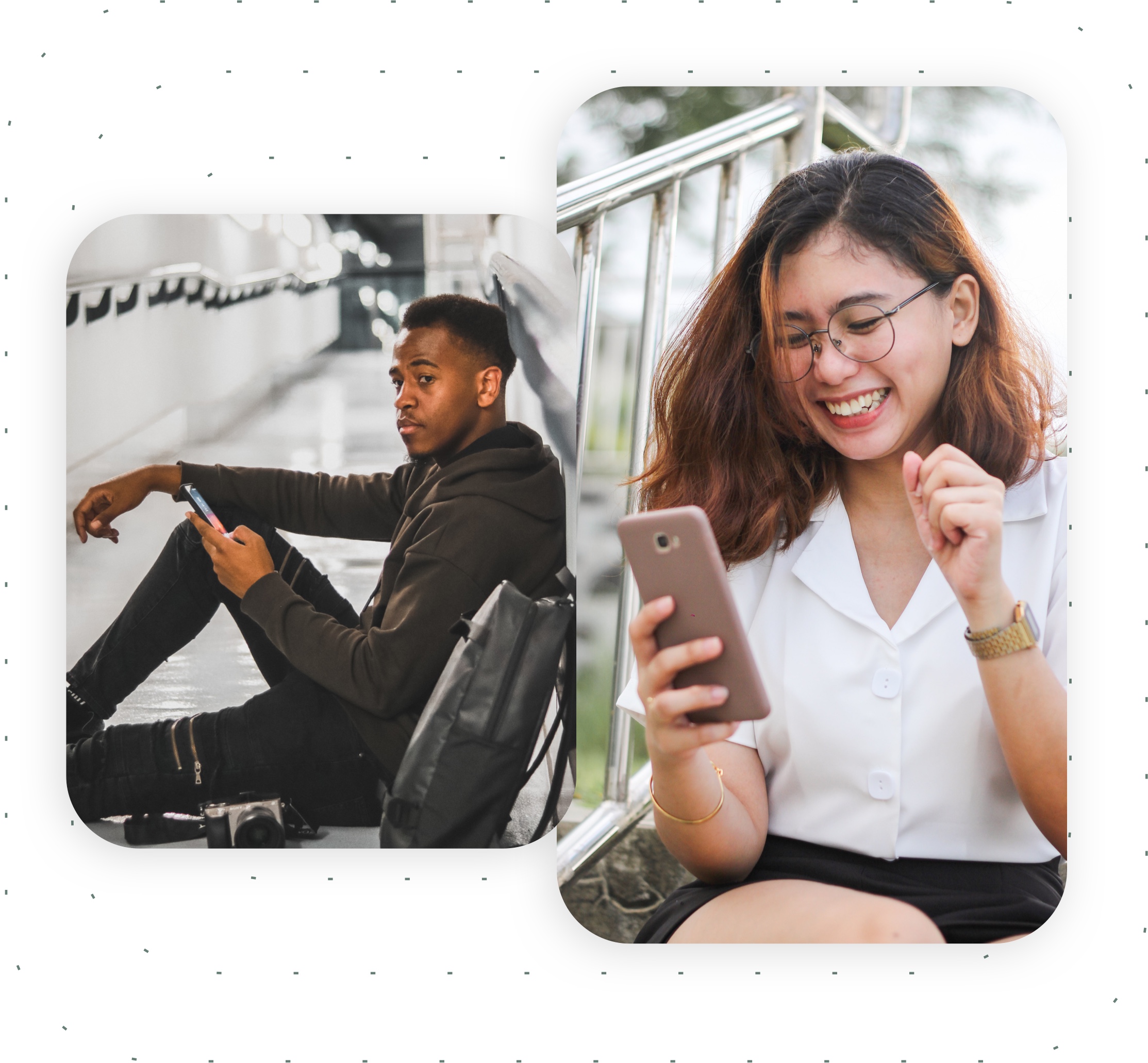
Early adopters aged 25–40 seeking secure, privacy-respecting banks that value accessibility and don't collect biometric data.
Design Challenges
Challenge 1 — Originality
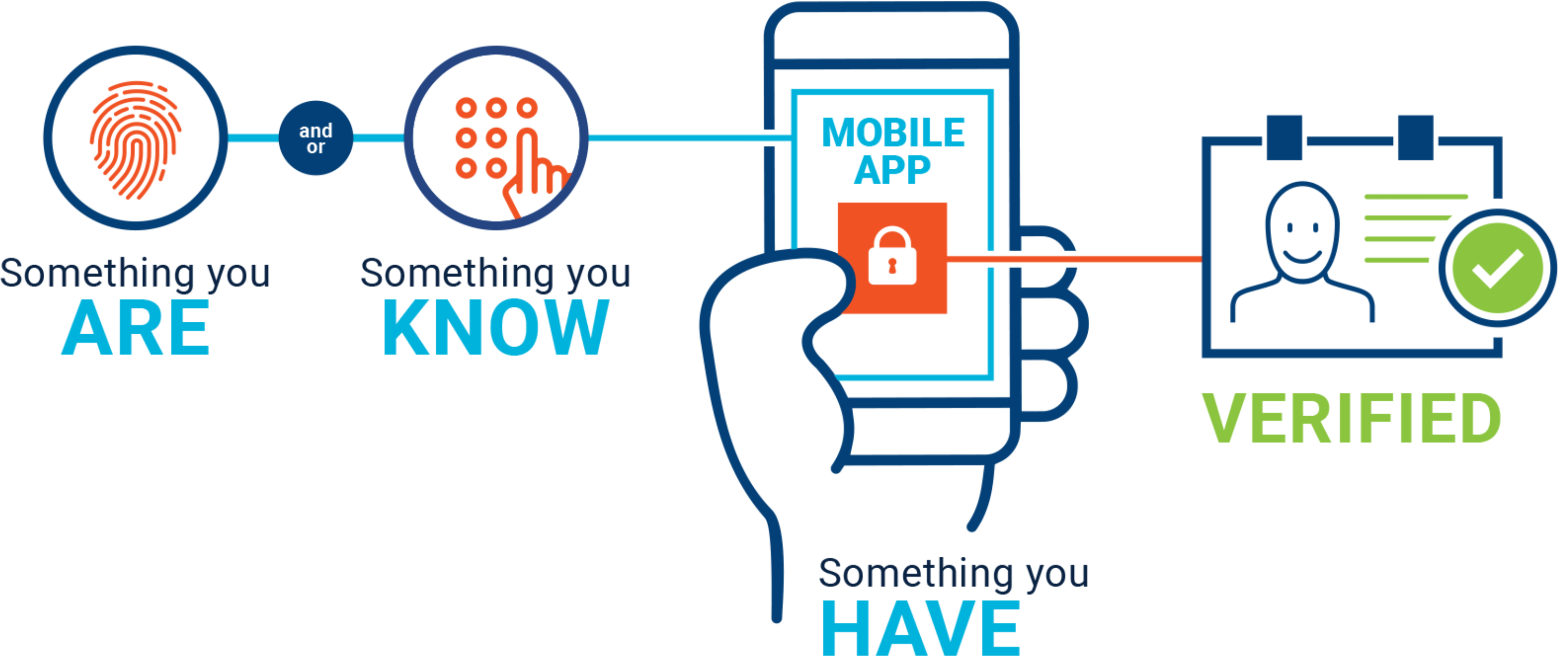
Inspired by security principles requiring "something you are and something you know," the solution combines personal narratives with emoji representation. This is more engaging and memorable than traditional alphanumeric passwords.
Challenge 2 — Security
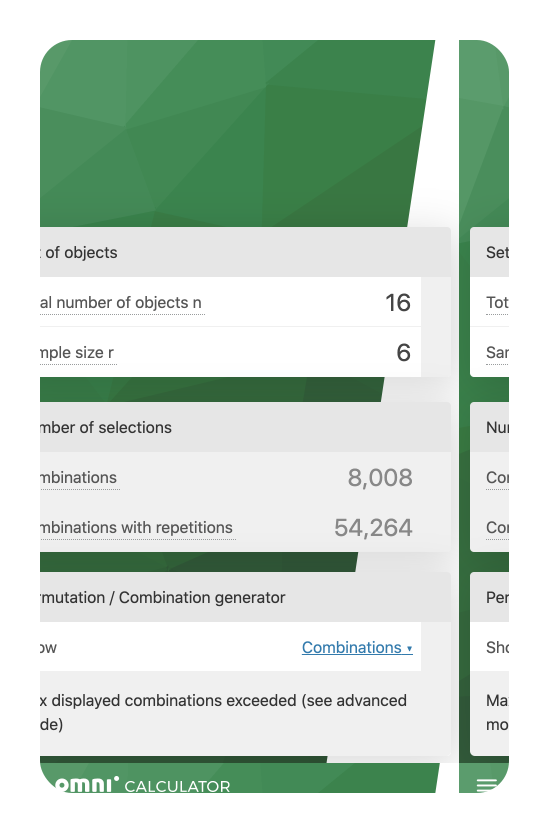
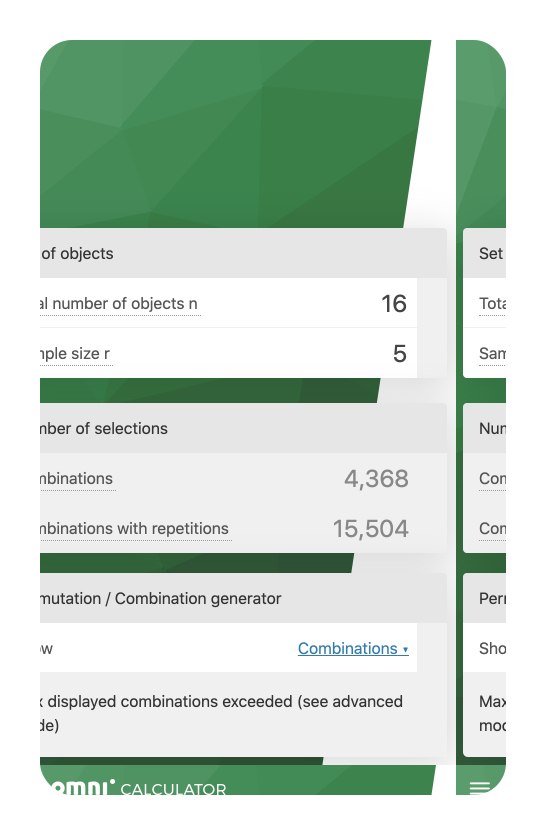
| Method | Available characters | 5-item combinations |
|---|---|---|
| Traditional PIN | 10 digits | 100,000 |
| Emoji story | 3,521+ emojis (Sept 2020) | 5,000,000,000,000+ |
A minimum of 5 emojis creates well over the 5,000-combination threshold considered secure. Personal stories are also inherently difficult to guess.
Challenge 3 — Memory & Accessibility
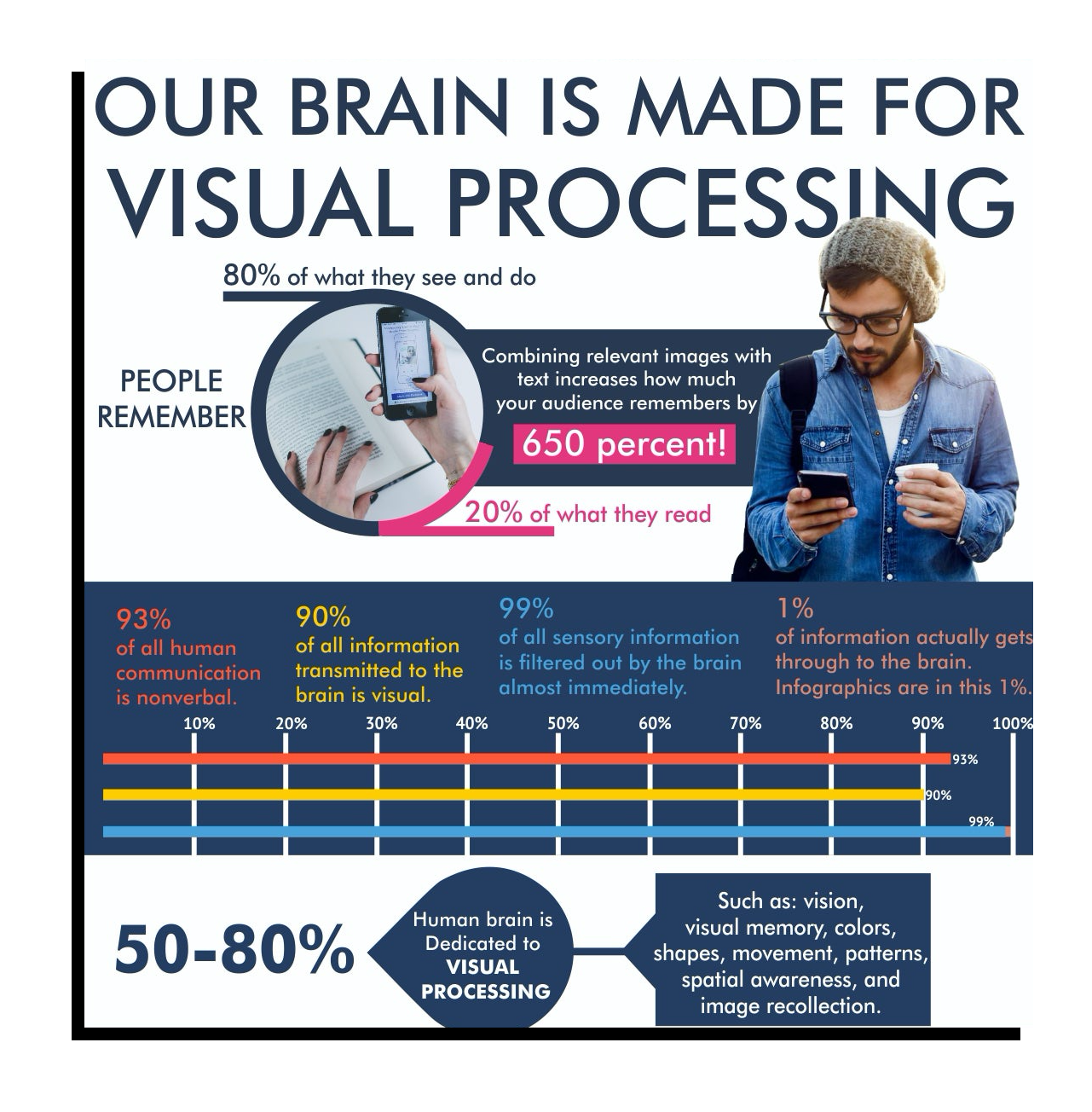
Research supports that humans remember images significantly better than words. Visual associations help autistic individuals and elderly users retain information, and story-based encoding enhances long-term memory.
"Humans have a remarkable ability to remember pictures."
Designing for neurodiverse users improves the experience for everyone — it should be standard practice, not exceptional.
The Flow
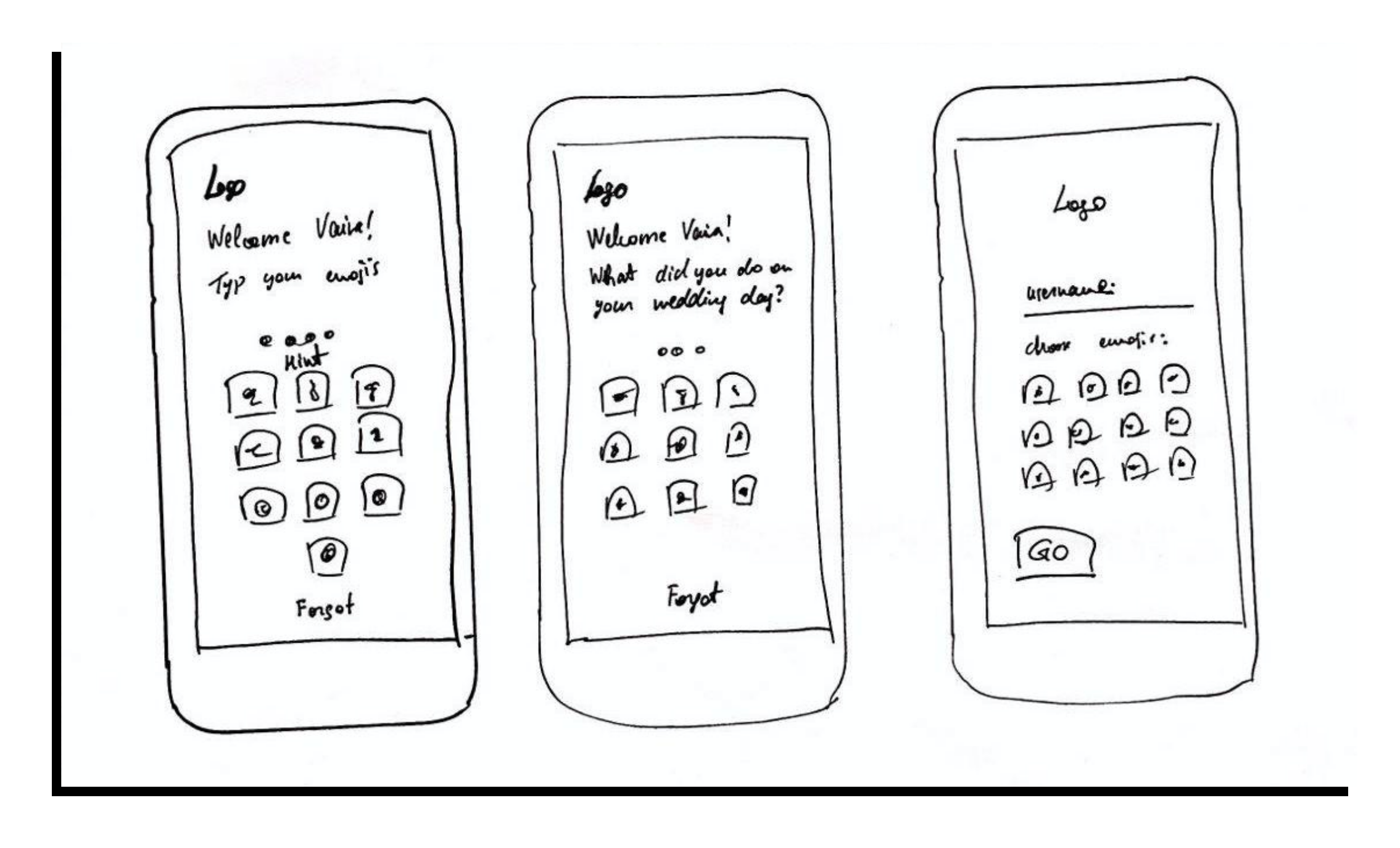
Step 1 — Enter email
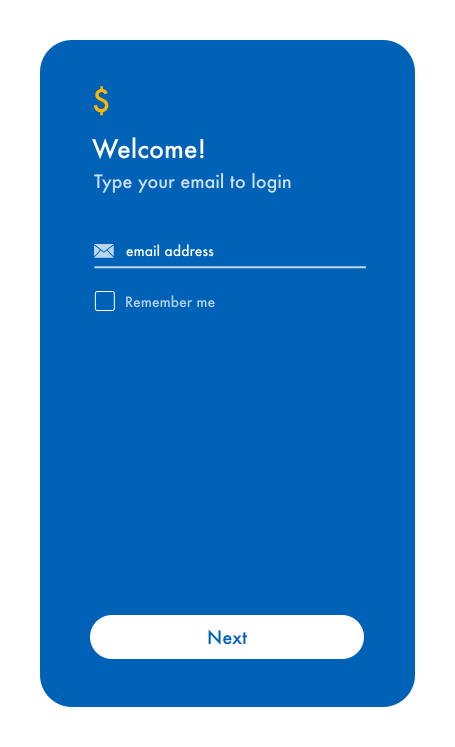
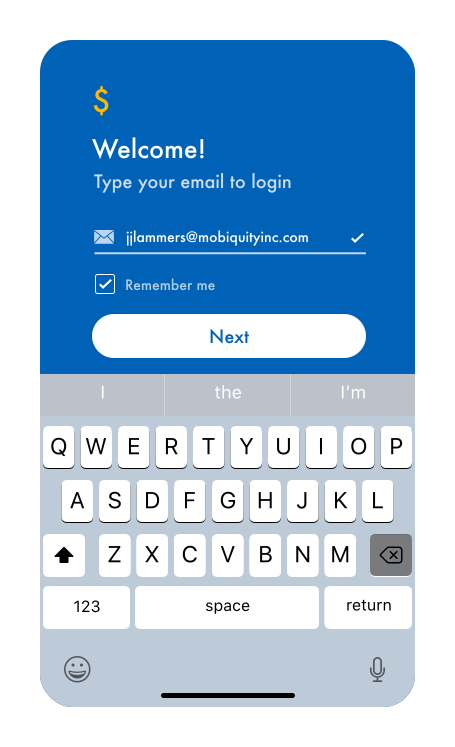
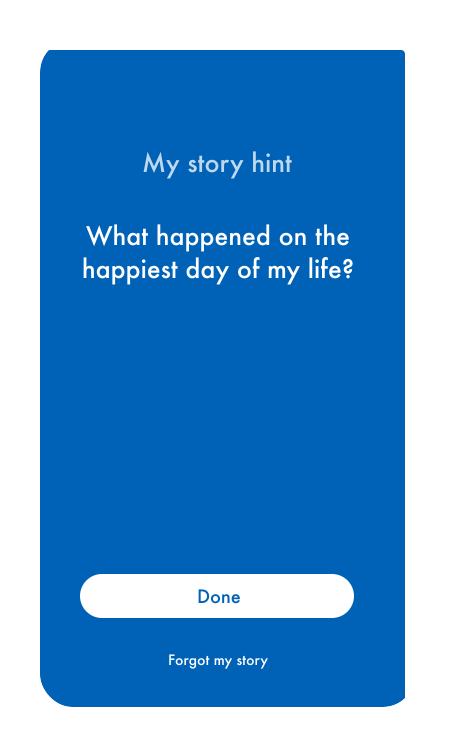
Step 2 — Choose your emoji story
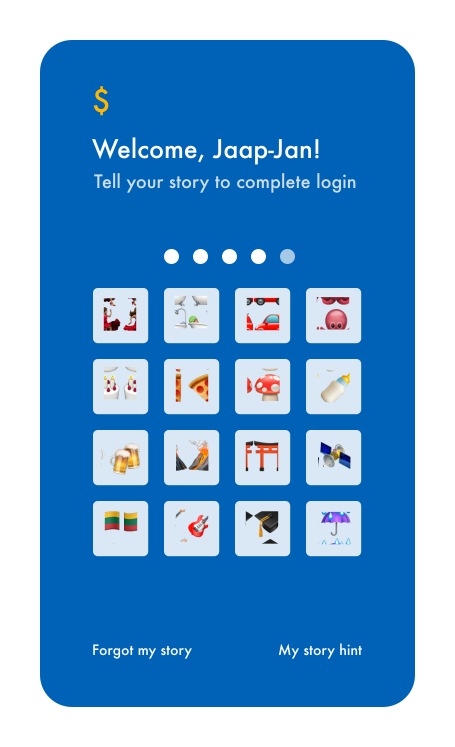
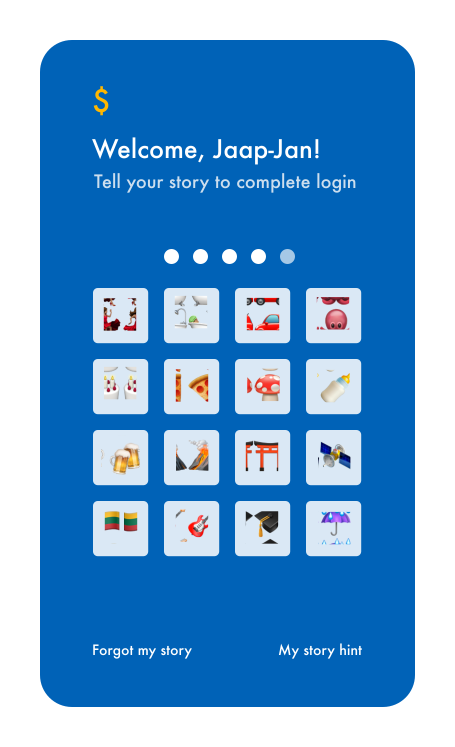
Step 3 — Confirm and log in
Research Gaps Identified
- Memorability of emoji stories vs. PINs needs validation
- User perception of security relative to traditional methods
- System compatibility across platforms and operating systems
Conclusion
Designing for neurodiverse users improves experiences universally and should be standard practice, not exceptional.